In the fast-paced world that women navigate, the constant juggling of responsibilities often comes at a cost – the risk of burnout. Burnout isn’t just feeling tired or stressed; it’s an all-encompassing state of physical and emotional exhaustion. Let’s delve into what burnout is, how to recognize it, and essential strategies for prevention and recovery.
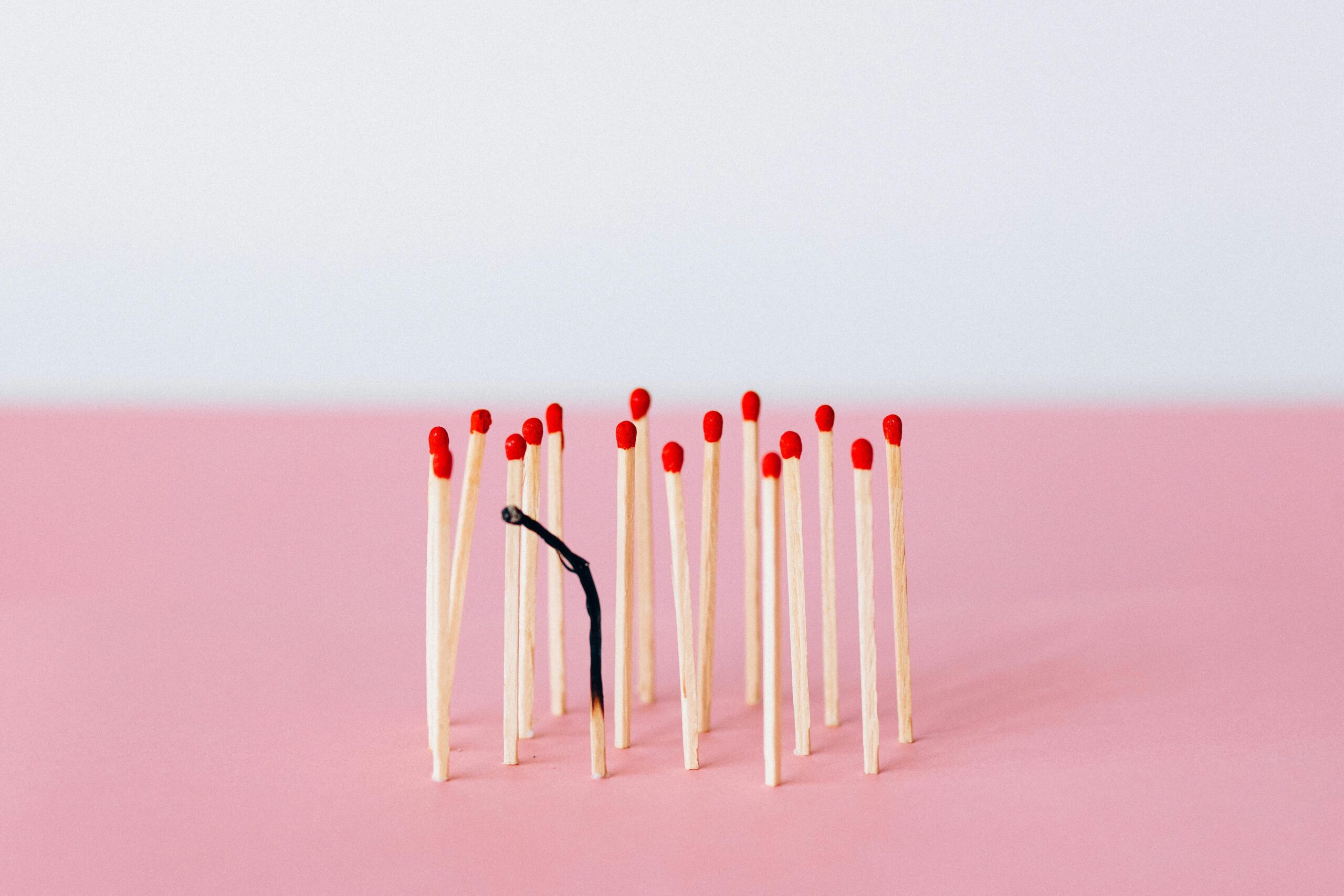
Burnout is more than just a bad day at work or a stressful week. It’s a chronic state of physical and emotional exhaustion resulting from prolonged periods of excessive stress and demands. Women, often wearing multiple hats, may find themselves particularly vulnerable to burnout due to the cumulative effects of various roles – be it as professionals, caregivers, partners, or friends.
1. Chronic Fatigue:
– Feeling persistently tired, even after a full night’s sleep.
2. Decreased Performance:
– A noticeable decline in work or personal performance.
3. Cynicism and Detachment:
– Developing a negative attitude towards work, relationships, or life in general.

– Frequent headaches, muscle pain, or gastrointestinal issues.
5. Emotional Distancing:
– Withdrawing emotionally from friends, family, or activities once enjoyed.
6. Decreased Satisfaction:
– A pervasive sense of dissatisfaction and lack of accomplishment.

If you resonate with several of the signs mentioned above and they persist over an extended period, it’s crucial to consult with a healthcare professional. Burnout can have serious consequences for mental and physical health, and seeking assistance is a proactive step towards well-being.

1. Set Realistic Boundaries:
Learn to say ‘no’ when necessary and set realistic expectations for yourself.
2. Prioritize Self-Care:
Make self-care non-negotiable. Whether it’s a quiet moment with a book, a walk in nature, or a bubble bath, prioritize activities that recharge your batteries.
3. Regular Breaks:
Incorporate short breaks throughout the day to refresh your mind and prevent the build-up of stress.
4. Healthy Lifestyle:
Maintain a balanced diet, engage in regular exercise, and ensure adequate sleep to support your physical and mental well-being.
5. Seek Support:
Don’t hesitate to reach out to friends, family, or a mental health professional for support. Share your feelings and concerns.

Closing Thoughts:
Burnout is not a sign of weakness but a signal that it’s time to reassess and recalibrate. By understanding the signs, taking preventive measures, and seeking support when needed, women can navigate the complexities of life with resilience and well-being. Remember, self-care isn’t a luxury; it’s a necessity on the journey to long-term health and fulfillment.
For more on how to reset, recharge and renew try these resources: